


Kids Surf Lessons: What Parents Need to Know for Safety in 2026

Key Highlights
Determining the ideal age for a child to start surfing depends more on their comfort in the water than a specific number.
Choosing a certified surf instructor and a reputable surf camp is crucial for creating a safe environment for your child.
Safety is paramount; look for instructors with CPR and lifeguard certifications.
Parents play a key role in ensuring their child has a great experience by providing support and encouragement.
Santa Teresa, Costa Rica, offers gentle waves, making it a perfect spot for a child's surfing journey to begin.
Both group and private lessons offer unique benefits, from social interaction to personalized attention.
Introduction
Are you thinking about introducing your child to the incredible world of surfing? It's a fantastic way to connect with nature and build confidence. Starting at a young age can be very rewarding, but safety comes first. Creating a safe environment with professional guidance ensures your child's first experience with surfing is positive and fun, setting the stage for a lifelong passion.
Introducing Kids to Surfing: Why It’s a Great Choice for Families
Surfing is more than just a sport; it's a way to embrace an active, healthy lifestyle as a family. It teaches children resilience, patience, and a deep respect for the ocean, all while having a great time in the water.
Sharing the experience of catching waves together creates unforgettable memories and strengthens family bonds. It’s a perfect way to experience the pura vida lifestyle, connecting with nature and each other.
The Growing Popularity of Kids Surf Schools in the United States
Across the United States, more families are discovering the joy of surfing. As a result, kids' surf schools have become increasingly popular, offering structured programs designed for young surfers.
These schools provide a safe environment where children can learn from experienced instructors. The structured learning process helps kids build skills progressively, from paddling to standing up on the board.
The best age for a child to start surf lessons is often when they are between 7 and 12 years old, as they typically have the necessary motor skills and focus. However, the most important factor is their comfort and confidence in the water.
Why Santa Teresa, Costa Rica Is a Top Destination for Beginner Surf Lessons
The beautiful beaches of Santa Teresa in Costa Rica are famous for being a surfer's paradise, especially for beginners. The area is known for its consistent and gentle waves, which are ideal for those just starting out.
This welcoming atmosphere, combined with the laid-back pura vida lifestyle, makes it a top choice for a family surf trip. Choosing the right surf instructor is key, and Santa Teresa has many experienced professionals. At Blue Mystics Surf School, our certified instructors specialize in creating a safe and fun learning experience.
When selecting a surf school, look for positive reviews, certified instructors, and a focus on safety. A quality surf camp will provide the right equipment and guidance to ensure your child’s success.
Understanding the Right Age and Readiness for Kids' Surf Lessons
Deciding on the ideal age to start surf lessons involves more than just a number. A child's readiness, both physically and emotionally, is the most important factor to consider.
Starting a child at a young age can be great, but they must be comfortable in the ocean. Activities like boogie boarding can be a wonderful introduction to the water, helping them get used to the feeling of waves before they try surfing.
Recommended Ages to Start Surfing Safely
While there's no single best age for every child, many surf schools find that kids aged 7-12 progress the fastest. At this stage, they often have a great combination of fearlessness, energy, and the ability to learn new motor skills quickly.
Starting at a young age helps build a strong foundation. However, the most crucial element is that the child is excited about surfing and feels confident in the water. Forcing it can create a negative association with the ocean.
Ultimately, the right age is when your child shows a genuine interest and has basic swimming skills. This ensures their first surfing experience is positive and safe.
Prerequisites and Physical Readiness Before Booking a Lesson
Before you book a surf lesson, it's vital to ensure your child is ready. The most important prerequisite is that they must be a competent swimmer and feel comfortable in the ocean. This is a non-negotiable for their safety.
Good coordination and the ability to listen to instructions are also key. The learning process in surfing involves following specific steps, so being able to focus is important for a young surfer.
A child doesn't need to be a top athlete, but they should have enough energy for a 90-minute lesson. Physical readiness ensures they can enjoy the experience without getting overly tired or frustrated.
How to Choose the Best Kids Surf School and Instructor
Selecting the right surf instructor and surf school is the most important decision you'll make for your child's surfing journey. A great instructor does more than teach techniques; they inspire confidence and ensure safety.
Your goal is to find a program that prioritizes a positive and encouraging environment. The right choice will set your child up for a great experience and a lasting love for the sport.
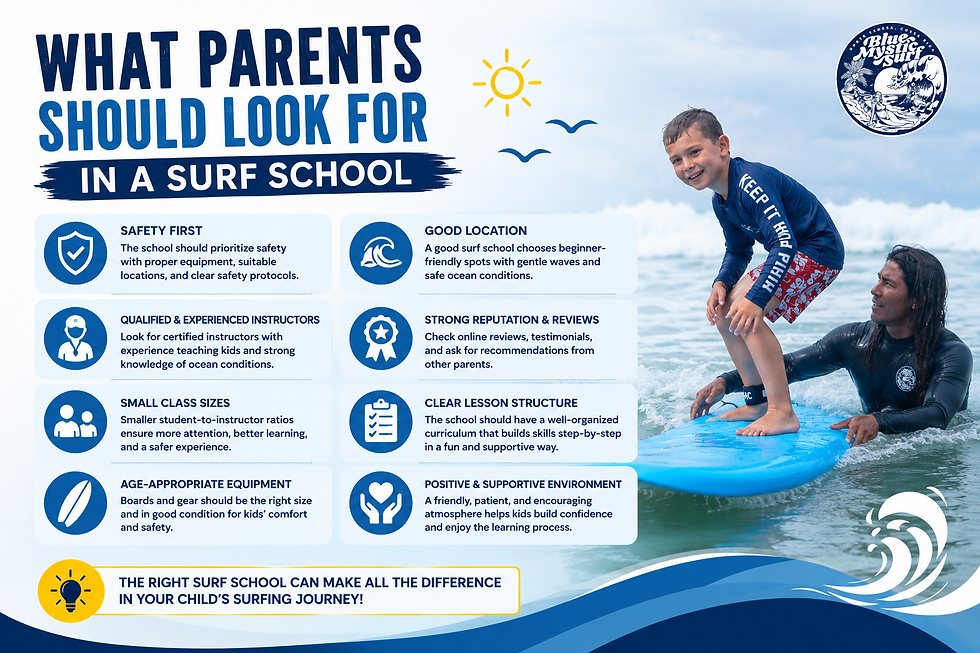
What Parents Should Look for in a Surf School
When researching options, look for a surf school with a proven track record of teaching children. Check for reviews from other parents and ask about their specific programs for kids, like a surf camp.
The school should create a safe environment above all else. This includes providing the right gear, such as soft-top surfboards, and choosing surf spots with gentle, beginner-friendly waves.
Here's what to prioritize:
Low student-to-instructor ratios for personalized attention.
A clear focus on ocean safety and fun.
Instructors experienced in teaching children.
Questions to Ask About Instructor Experience and Safety Certifications
Don't hesitate to ask direct questions about an instructor's qualifications. A professional surf instructor should be happy to share their experience and certifications with you.
Inquire specifically about safety training. A safe environment is guaranteed when instructors are prepared for any situation. All our instructors at Blue Mystics Surf School are CPR and Lifeguard certified.
Be sure to ask:
Are all instructors certified in surf instruction, CPR, and first aid?
How much experience do you have teaching children of my child's age?
What are your safety protocols for lessons?
Beginner’s Guide: Getting Started with Kids Surf Lessons
Ready to get your child started on their surfing journey? The first lesson is an exciting milestone. A good surf camp or lesson will make the learning process fun and accessible.
From the gear they'll need to the steps they'll take, knowing what to expect can help you and your child feel prepared and confident for their first time on the board.
Essential Equipment and What to Bring to the First Lesson
A reputable surf school, like Blue Mystics Surf School, will provide all the essential equipment, including the surfboard and a rash guard for UV protection. You just need to bring a few personal items.
Make sure your child is comfortable and protected from the sun. Think of it like preparing for a day at the beach, but with a bit more activity involved. Simple pre-surf stretches, similar to yoga, can also help prepare their muscles.
Here’s what you should pack:
High-SPF, water-resistant sunscreen
A towel
A bottle of water
A great attitude and enthusiasm!

Step-by-Step Guide: How Kids Can Safely Learn to Surf
The learning process for surfing is broken down into simple, manageable steps by a qualified surf instructor. This approach helps build confidence and ensures safety as your child enters the world of surfing.
A good instructor will guide them through each stage, from understanding the ocean to catching their first wave. The instructor's job is to make the experience feel safe and exciting, helping to ease any fears.
Parents can help by staying positive and trusting the instructor. Your calm and encouraging presence on the shore reinforces the message that they are in a safe and supportive environment.
Step 1: Introduction to Surf Safety and Ocean Awareness
The very first part of any lesson is all about safety. Before even touching the water, the surf instructor will teach your child about ocean safety. This is the most critical part of the learning process.
They will learn how to read the water, identify safe areas, and understand how to handle their board. This knowledge empowers them and builds a foundation of respect for the ocean.
Key safety topics include:
Always staying with the instructor.
Learning how to fall safely off the board.
Understanding basic surf etiquette.
Step 2: Practicing on Land – Basic Positioning and Balance
After the safety briefing, the next step is practicing on the sand. This is where your child will learn the fundamentals of popping up on the surfboard without the challenge of moving water.
The instructor will guide them through the motions of paddling and standing up, similar to a sequence in yoga. This repetition helps build muscle memory and coordination, making the transition to the water much smoother.
This land-based practice allows kids to get comfortable with the movements in a stable, low-pressure setting, which can significantly reduce any fear or anxiety before they even get wet.
Step 3: Entering the Water and Catching the First Waves
This is the moment everyone has been waiting for! With the basics covered on land, it's time to head into the water. The instructor will take your child into the shallow whitewater where the gentle waves are breaking.
Guided by the instructor, your child will paddle for their first waves and get to experience the incredible feeling of riding one to shore. This is the perfect starting point to enter the world of surfing.
This final step of the lesson brings everything together. The feeling of catching that first wave is often what hooks new surfers for life, creating a memory they will never forget.
Comparing Group and Private Surf Lessons for Kids
When booking a lesson, you’ll typically choose between group lessons and private surf lessons. Both options can provide a great experience, but they cater to different learning styles and needs.
Understanding the benefits of each can help you decide what's best for your child's personality and your family's goals for their first surf adventure.
Benefits of Group Surf Lessons for Confidence and Social Skills
Group lessons are a fantastic way for kids to learn in a fun, social setting. Being surrounded by other beginner surfers can be very encouraging and help build confidence.
Sharing the experience, cheering for each other, and learning together makes for a great time. This format is often ideal for kids who are outgoing and enjoy making new friends. At Blue Mystics Surf School, our group surf lessons are designed to be supportive and fun.
Advantages of group lessons include:
Learning with peers can be motivating.
A fun, energetic, and social atmosphere.
Often a more affordable option.
Advantages of Private Surf Lessons for Individual Attention
Private surf lessons offer the benefit of one-on-one instruction. This is the fastest way to learn, as the surf instructor can tailor the entire lesson to your child's specific needs and pace.
This personalized attention is especially beneficial for children who may be a bit hesitant or need extra encouragement. It's also great for kids who are determined to progress their surfing skills quickly. Our private surf lessons in Santa Teresa provide this focused experience.
Key benefits of private lessons:
100% of the instructor's focus is on your child.
Lessons are customized to individual skill levels.
Ideal for building confidence in more timid children.

Key Safety Tips Every Parent Should Know
Your role as a parent is crucial in ensuring your child's surfing journey is a safe one. While a qualified surf instructor will lead the way, your awareness and support are essential.
By understanding the key safety rules and your role in the process, you help create a safe environment where your child can thrive and fall in love with surfing.
Essential Surf Safety Rules for Kids
Surf safety begins before your child even enters the water. The rules are simple but incredibly important for preventing accidents and ensuring every surfer has a good time.
A good surf instructor will drill these rules into their students from the very beginning. As a parent, you can help reinforce these important lessons.
Always listen to the surf instructor.
Protect your head when you fall by covering it with your arms.
Stay aware of your surroundings, including other surfers and your board.
Parental Roles in Ensuring a Safe Surf Experience
Your involvement plays a big part in your child's safety and enjoyment. It starts with choosing a reputable school and continues with your support during the lesson.
By being a positive and informed presence, you help create a safe environment that allows your child to focus on having a great time. Your encouragement from the shore can make a world of difference.
Your role includes:
Choosing a certified and experienced instructor.
Ensuring your child is well-rested and hydrated.
Trusting the instructor and not pushing your child beyond their comfort level.
Conclusion
In conclusion, ensuring a safe and enjoyable surfing experience for your children is paramount. Understanding the essential safety tips and choosing the right surf school can make all the difference. Santa Teresa, Costa Rica, offers a fantastic environment for kids to learn surfing, with options for both group and private surf lessons tailored to their needs.
At Blue Mystics Surf School, we prioritize safety while helping your child build confidence and skills in the water. If you're ready to introduce your child to the thrilling world of surfing, explore our group surf lesson and private surf lesson pages to get started today!
Frequently Asked Questions
What is the best age for kids to start surf lessons?
The best age isn't set in stone; it's about readiness. Most kids are ready between 7 and 12 years old, but the key factors are strong swimming ability and comfort in the ocean, not just their young age.
Are there any requirements or prerequisites before my child can take a surf lesson?
Yes, the main prerequisite is that your child must be a confident swimmer. Good coordination and the ability to listen to instructions are also important for any aspiring young surfer to have a safe and successful lesson at a surf camp.
How do I choose the right surf instructor or school for my child?
Look for a surf school with certified instructors experienced in teaching children. Check for positive reviews, low student-to-instructor ratios, and a strong emphasis on safety to ensure your child has a great experience.
What safety precautions should parents know when starting kids with surf lessons?
Ensure the surf instructor is CPR and lifeguard certified. The lesson should be in a safe environment with small waves. Reinforce safety rules like covering their head when they fall and always staying near the instructor.
How much do kids surf lessons usually cost?
Costs for kids' surf lessons fluctuate based on whether you choose group or private surf lessons. A lesson can range from $75 to $150. A multi-day surf camp may provide a better rate per lesson.
What should my child bring or wear to their first surf lesson?
They should wear a swimsuit. A rash guard and surfboard are usually provided. You should bring a towel, water, and plenty of high-SPF sunscreen to ensure they are protected and have a great time in a safe environment.
Are group or private surf lessons better for beginners kids?
It depends on your child. Group lessons are social and fun, while private surf lessons offer personalized attention that can build confidence faster. Both can offer a great experience, so consider your child's personality when choosing.
How can parents help kids overcome fear of surfing or being in the ocean?
Create a positive, no-pressure situation. A patient surf instructor in a safe environment with small waves is key. Your calm encouragement and celebrating small victories will help them build confidence and embrace the pura vida spirit.
What are the main benefits for kids learning to surf?
Learning to surf at a young age builds physical confidence, coordination, and resilience. It also fosters a deep respect for nature and starts them on a surfing journey that promotes a healthy, active lifestyle.
What is the typical structure or duration of a kids surf lesson?
A typical lesson is about 90 minutes. It starts with a safety talk and land practice led by the surf instructor, followed by time in the water catching waves. This structure keeps young surfers engaged without getting exhausted.
What age can you teach a child to surf?
You can teach a child to surf as young as 5 or 6, provided they are strong swimmers and comfortable in the ocean. The best age is less about a number and more about individual readiness for surfing.
How to teach a 5 year old to surf?
To teach a 5-year-old, enroll them with a professional surf instructor who specializes in teaching young children. The focus should be on fun and safety in a controlled environment with very gentle waves, making it a positive first experience.
What age can kids start surfing, and how do you get them started?
Kids can start surfing around the ideal age of 5-7. To get them started, ensure they are comfortable in the water, and then enroll them in a professional lesson. This begins their surfing journey on a safe and fun note.
What is the minimum age for surf lessons?
Most surf schools set a minimum age of 5 to 7 years old for surf lessons. However, the true requirement is not age but the child's ability to swim and their comfort level in the ocean.


Comments